For many people, the hardest part of a dental visit is not the treatment. It is the needle beforehand, the bleeding during, and the swelling and stitches after.
Laser dentistry changes that for a growing list of procedures. A focused beam of light lets dentists treat gums and other soft tissue with less bleeding, less swelling and, in many cases, fewer injections.
It is not magic, and it does not replace every tool. Below, we explain how dental lasers work, what they are used for, what they feel like and where traditional instruments are still the better choice.
How Laser Dentistry Works
How a Dental Laser Treats Tissue
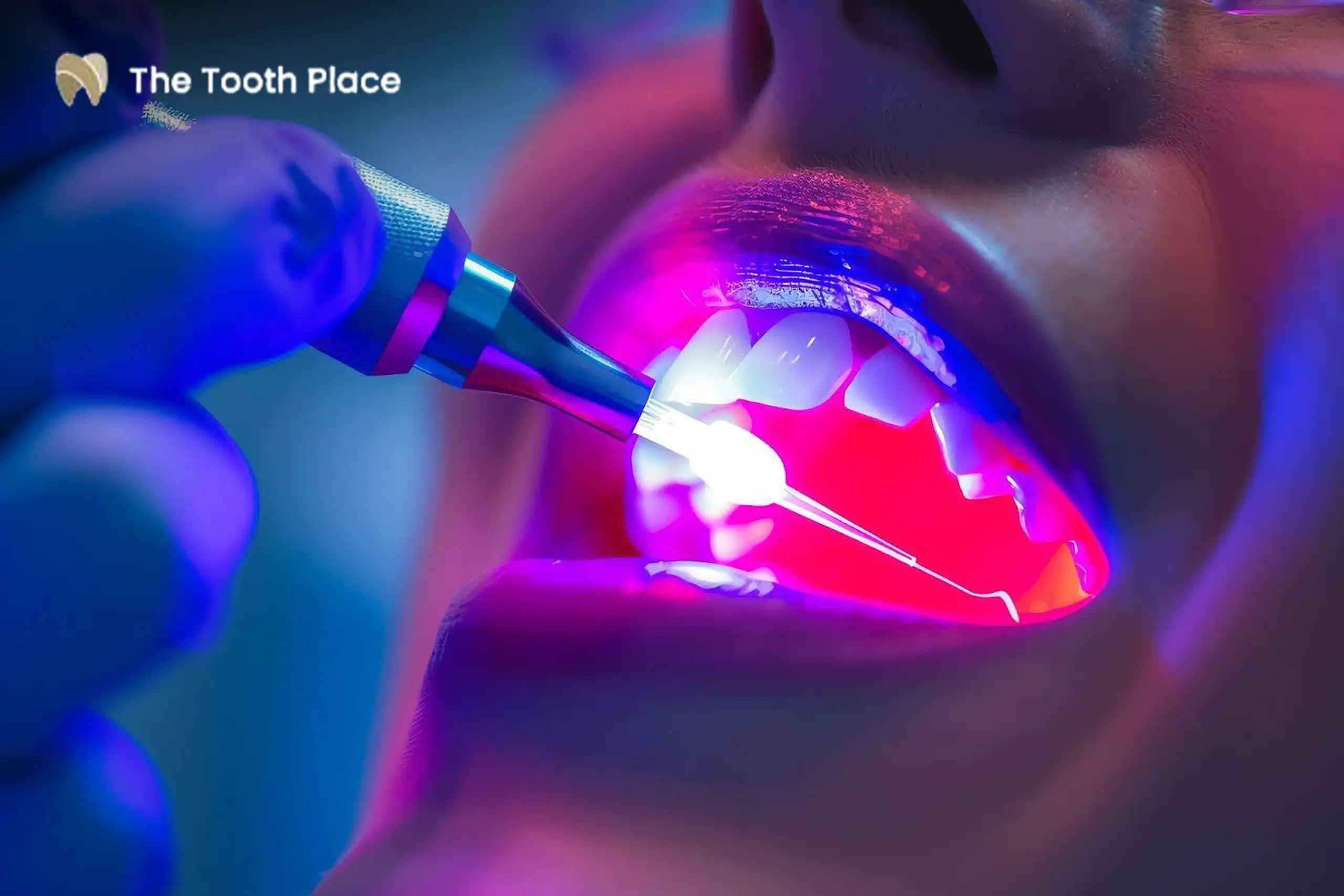
A dental laser produces a narrow beam of light at one specific wavelength. Different tissues absorb that light differently, so the dentist can target exactly what needs treating. When the energy is absorbed, it gently vaporizes or reshapes tissue. On soft tissue it also seals small blood vessels as it works, which is why there is so little bleeding.
Hard-Tissue vs Soft-Tissue Lasers
Soft-tissue lasers (often diode lasers) treat gums, the tongue, lips and cheeks. They are used for gum treatment, reshaping and frenectomies.
Hard-tissue lasers (erbium lasers) can also work on tooth enamel and bone, for example when preparing some cavities.
As a laser dentist in Bolton, we choose the tool for the job, not the other way around.
What Is Laser Dentistry Used For?
Treating Gum Disease
A laser can remove inflamed tissue inside gum pockets and reduce bacteria during deep cleaning. Research shows this offers a small added benefit at best: a 2026 meta-analysis found lasers give only modest improvements over scaling and root planing alone. Thorough cleaning is still the foundation, and regular professional teeth cleaning is your main defence against gum disease.
Gum Contouring for a Gummy Smile
If your teeth look short because gum tissue covers too much of them, a laser can gently reshape the gumline. It is often one step in a wider smile makeover.
Frenectomy for Tongue-Tie and Lip-Tie
A laser frenectomy releases a tight band of tissue under the tongue or upper lip, usually without stitches.
Cavity Detection and Tooth Preparation
<!– If the clinic has only a soft-tissue laser, replace this H3’s text with: “Some dental lasers can also prepare small cavities. At The Tooth Place we use our laser for soft-tissue care, and cavities are treated with traditional instruments.” –>
Some lasers help detect early decay, and hard-tissue lasers can remove decay and prepare small cavities, sometimes without freezing.
Relief for Canker Sores and Cold Sores
Low-level laser light can ease the pain of mouth sores. A 2024 meta-analysis found it reduced pain and shortened healing time for recurring canker sores.
5 Benefits of Laser Dentistry
Less Bleeding and Swelling
Because the laser seals blood vessels as it works, there is usually very little bleeding. A 2026 meta-analysis of frenectomy trials found less bleeding with lasers than with a scalpel and no extra swelling.
Faster Healing
Less trauma to surrounding tissue often means a more comfortable recovery. A second 2026 meta-analysis found better wound healing at day seven and less pain in the first week after laser frenectomy.
Often Less Need for Injections or Stitches
Many soft-tissue laser procedures need little or no stitching. For cavity work, a Cochrane review found patients treated with lasers needed anaesthesia less often than those treated with a drill, though the evidence was low quality.
Lower Risk of Infection
The laser’s energy has a disinfecting effect on the tissue it touches, which may help keep the treated site clean while it heals
A Calmer Experience for Anxious Patients
No drill whine, less vibration, often no needle. For many nervous patients, that makes a real difference to how a visit feels.
Is Laser Dentistry Painful?
Usually not very. Most patients describe a warm or tapping sensation rather than pain.
Myth: Lasers hurt because they are “burning” tissue. Reality: Dental lasers work in short, controlled pulses, and many soft-tissue procedures need little or no local anaesthetic.
How much you feel depends on the procedure. Small gum or frenum treatments are often very comfortable. Larger treatments, or work close to a tooth’s nerve, may still need freezing, and your dentist will always offer it if you need it.
Afterward, most people have mild soreness for a day or two. Over-the-counter pain relief, taken as your dentist advises, is usually enough.
Laser Dentistry vs Traditional Dental Tools
Task | Traditional Tools | Laser |
Cutting soft tissue | Scalpel, usually with stitches | Laser seals as it cuts, often no stitches |
Bleeding | More, especially in gums | Usually minimal |
Removing small cavities | Drill, usually with freezing | Hard-tissue laser, sometimes without freezing |
Large fillings, crowns, metal | The right tool | Not suitable |
Feel and sound | Vibration and drill noise | Quiet, with a light tapping or warmth |
Lasers are one part of our advanced dental equipment, used alongside traditional instruments rather than instead of them.
Is Laser Dentistry Safe for Children?
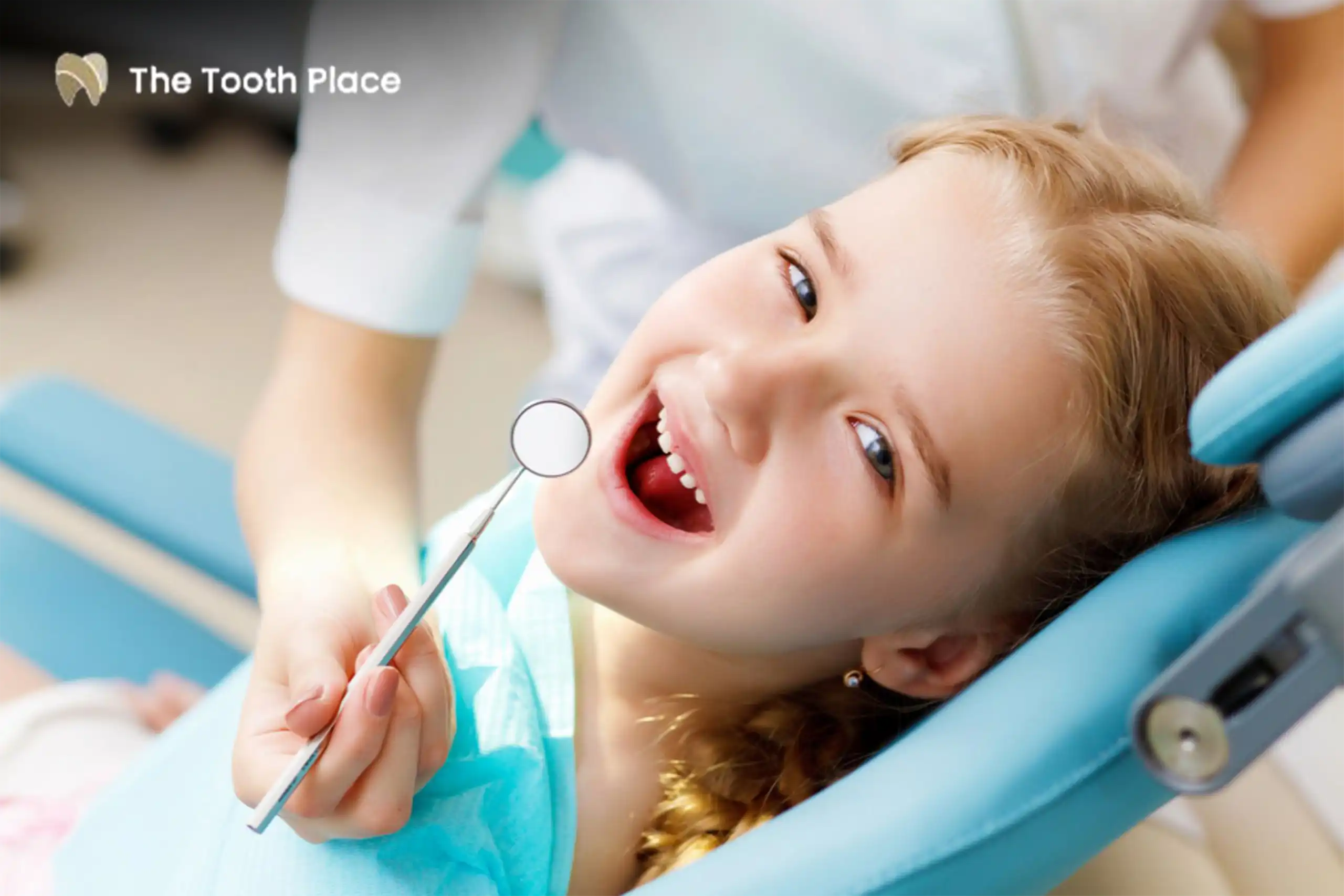
Yes, when performed by a trained dentist. Lasers are commonly used for children’s procedures such as tongue-tie and lip-tie release, and some kids handle them better than the drill because there is less noise and vibration.
A 2026 systematic review of children’s cavity treatment found erbium lasers were linked with less pain and higher acceptance than the traditional drill.
Children wear protective glasses just like adults. A children’s dentist will explain the process in kid-friendly words first. If your little one has not been to the dentist yet, start with your child’s first dental visit.
Limitations: When a Laser Isn't the Right Tool
Lasers are useful, but they are not the answer to everything.
They cannot work on metal. Old amalgam fillings, crowns and other metal restorations still need traditional tools.
They are not used for large cavities or crowns. Shaping a tooth for a crown or a large filling is better done with conventional instruments.
Some treatments take longer. Removing decay with a laser can be slower than with a drill.
The evidence varies by treatment. Support is strongest for soft-tissue procedures like frenectomy. For gum disease and cavity removal, the research shows smaller or less certain benefits.
Not every patient needs one. Many routine treatments work well without a laser, and we only use one when it helps.
Also Read: Severe Toothache: When Should You See an Emergency Dentist in Bolton?
Recovery After Laser Gum Treatment
Laser gum treatment recovery is usually quick. Soft tissue often feels comfortable within a few days.
Do: eat soft, lukewarm foods for the first day or two, rinse gently with warm salt water from the next day, and brush the rest of your mouth normally.
Avoid: spicy, crunchy or very hot foods for a few days, smoking and vaping, and brushing the treated gum hard until it settles.
Expect: a white or yellowish film over the treated area for several days. This is normal healing tissue, not infection.
Call us if: you notice bleeding that does not stop with gentle pressure, increasing pain or swelling, or a fever.
Also Read: How to Choose the Right Dentist in Bolton: 10 Things to Consider
Experience Laser Dentistry at The Tooth Place
Curious whether laser treatment suits your needs? Book a visit with our laser dentist in Bolton team at the Bolton Medical Centre. Call (905) 857-1791 or contact us online. Weighing technology when choosing a clinic? Read what to look for in a dental clinic.
Frequently Asked Questions
1. Is laser dentistry safe?
Yes, when performed by a trained dentist. Patients and staff wear protective eyewear, and the laser is used at settings matched to each procedure.
2. Does laser dentistry hurt?
Many soft-tissue procedures cause little discomfort, and some need less or no local anaesthetic. Most people describe a warm or tapping feeling rather than pain.
3. Is laser dentistry more expensive?
Not necessarily. Cost depends mainly on the procedure being done rather than the tool used. We will confirm costs before your treatment.
4. Can lasers replace the dental drill completely?
No. Lasers suit many procedures, but some treatments, such as crowns, large fillings and work on metal restorations, still need traditional instruments.
5. How long does it take to heal after laser gum treatment?
Soft tissue often feels comfortable within a few days, which is typically faster than after traditional gum surgery.
6. Does insurance cover laser dentistry?
Coverage is usually based on the procedure performed, not whether a laser was used. Our team can check your plan before you book.
7. Can children have laser dentistry?
Yes. It is commonly used for children's procedures such as tongue-tie release, and many kids find it calmer than the drill.