Yes, vaping can affect your teeth and gums. It dries out your mouth, which raises your risk of cavities, and nicotine reduces blood flow to your gums, which can hide the early signs of gum disease.
Many people switch to vaping believing it’s harmless for their mouth. Vaping avoids tobacco smoke, but your teeth and gums are still the first tissues the aerosol touches, every puff.
This guide explains what’s in vape aerosol, how it affects your mouth, the warning signs to watch for and the simple steps that help protect your smile. Research on long-term effects is still developing, so we’ll be clear about what’s known and what isn’t.
How Common Is Vaping in Canada?
Vaping is most common among teens and young adults. Health Canada reports that in 2022, 14% of youth aged 15 to 19 had vaped in the past 30 days, compared with 4% of adults aged 25 and older. Newer federal survey data show youth vaping has declined since then, but it remains common.
That means dental teams in Ontario see the effects of vaping in patients of almost every age, from high school students to adults who switched from cigarettes.
What's in a Vape and Why It Matters for Your Mouth
A vape heats a liquid into an aerosol that you inhale. That liquid usually contains four main ingredients, and each one can affect your mouth differently.
Ingredient | What it is | Effect on your mouth |
|---|---|---|
Propylene glycol | A liquid that carries flavour and nicotine | Draws moisture away, contributing to dry mouth |
Vegetable glycerin | A thick, sweet-tasting liquid that creates vapour | Can leave a sticky film where bacteria cling |
Nicotine | An addictive stimulant | Narrows blood vessels, reducing blood flow to gums |
Flavourings | Sweet, fruity or mint chemicals | Some may irritate gum tissue; sweet flavours may feed bacteria |
The Ontario Dental Association notes that vaping liquids containing propylene glycol are known to cause dry mouth, and that some aerosols can increase inflammation and bacteria in the mouth.
6 Ways Vaping Can Affect Your Teeth and Gums
1. Dry Mouth
Saliva is your mouth’s natural defence. It washes away food, neutralizes acids and helps repair early enamel damage. When vaping reduces saliva, acids stay on your teeth longer and bacteria multiply more easily.
2. Higher Risk of Cavities
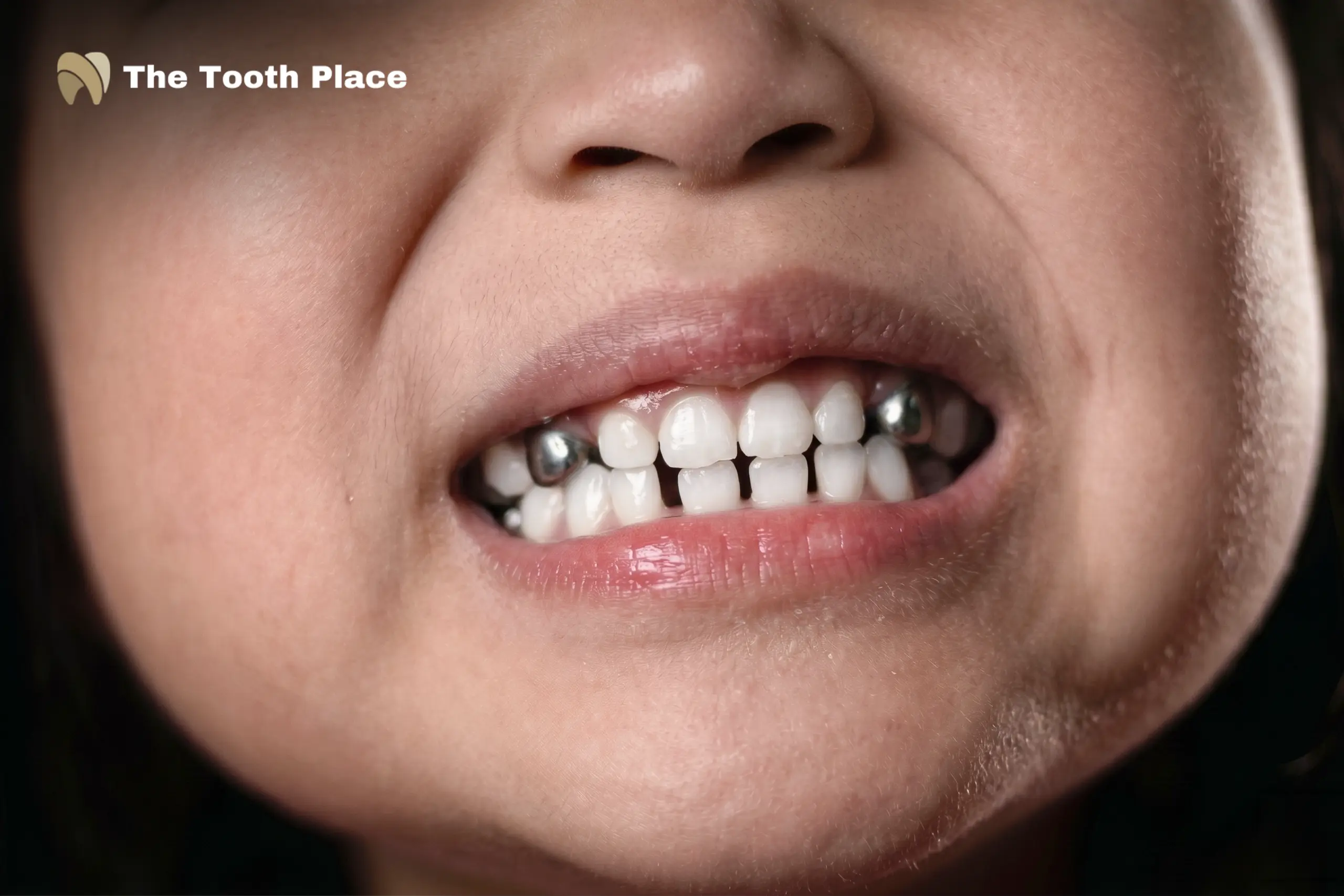
Dry mouth plus sweet, sticky flavoured liquids is a recipe for tooth decay. This can lead to new cavities along the gumline or between teeth, even with regular brushing.
3. Gum Inflammation and Gum Disease
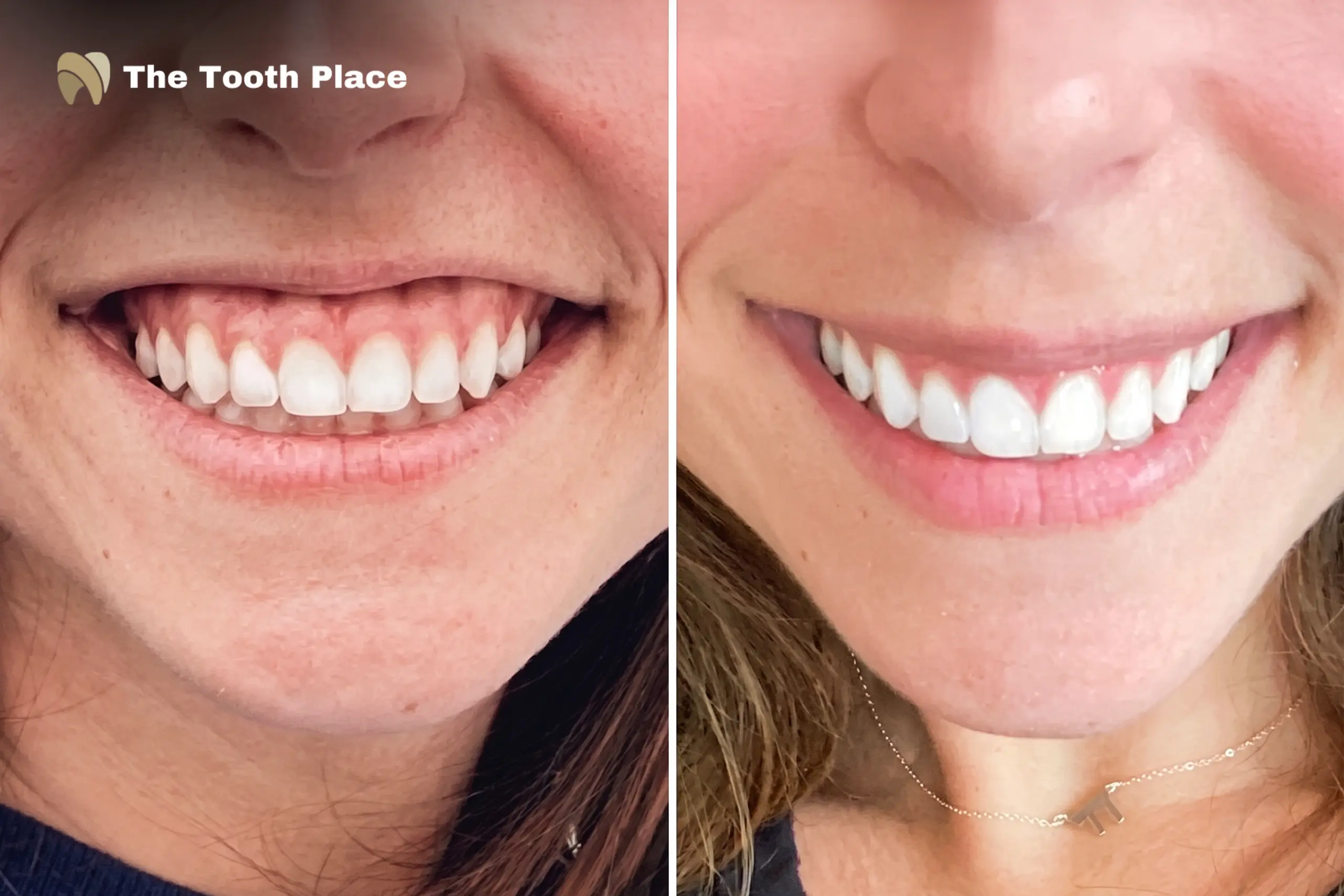
Nicotine narrows blood vessels in the gums. Over time, reduced blood flow can make gums less able to fight infection, which may contribute to gum disease and bone loss around teeth.
4. Hidden Bleeding
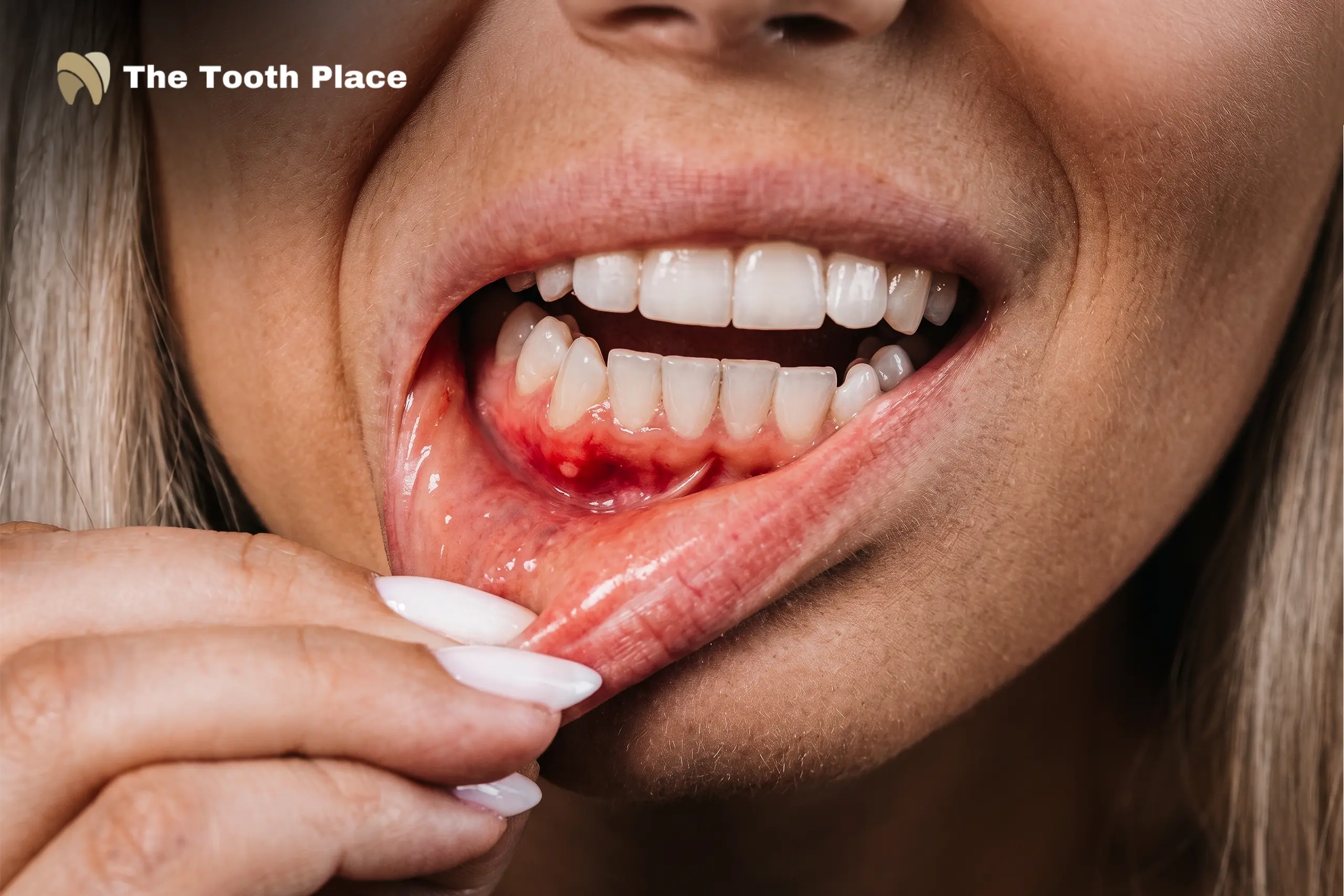
Here’s the tricky part. Gums usually bleed when they’re inflamed, which is your early warning sign. Nicotine can reduce that bleeding, so gum disease may progress quietly without the usual red flag.
5. Slower Healing After Dental Treatment
Reduced blood flow can slow healing after extractions, gum treatment and other procedures. The sucking motion of vaping can also disturb a blood clot after a tooth is removed, raising the risk of dry socket.
6. Bad Breath, Staining and Mouth Irritation
Dry mouth often leads to bad breath. Some people also notice staining, a coated tongue, mouth sores or a burning feeling in the mouth.
Also Read: Wisdom Teeth Removal Recovery: A Day-by-Day Guide
Vaping vs Smoking: Which Is Worse for Your Teeth?
Vaping is not risk-free just because it doesn’t involve smoke. Both habits share some risks and differ in others.
Effect | Cigarettes | Vaping |
|---|---|---|
Tar and smoke staining | High | Lower |
Dry mouth | Yes | Yes, often noticeable |
Nicotine effect on gum blood flow | Yes | Yes, when the liquid contains nicotine |
Gum disease risk | Well established | Emerging evidence suggests increased risk |
Slower healing after treatment | Yes | Likely, especially with nicotine |
Oral cancer risk | Well established | Long-term risk still being studied |
The honest answer is that smoking has decades of research behind it, while vaping is newer. What researchers have found so far points to real effects on the mouth, and dental associations in Canada advise that vaping is not harmless.
Warning Signs to Watch For
Book a checkup if you vape and notice any of the following:
- A mouth that feels dry or sticky most of the day
- New sensitivity to cold or sweets
- Gums that look red, puffy or are pulling away from teeth
- Teeth that look longer than before
- Persistent bad breath, even after brushing
- A sore, patch or ulcer that doesn’t heal within two weeks
- White or red patches on the tongue, cheeks or gums
- A tooth that feels loose
These signs don’t always mean something serious, but they’re worth having checked.
Why Regular Dental Checkups Matter More If You Vape
Because nicotine can hide gum bleeding, problems may not be obvious at home. Your dentist and hygienist measure gum pockets, look at X-rays for bone changes and check soft tissues you can’t easily see.
During a visit, your dental team can:
- Measure gum health and compare it over time
- Spot early cavities before they cause pain
- Check your cheeks, tongue, lips and throat for unusual changes
- Remove plaque and tartar that brushing misses
- Suggest ways to manage dry mouth
An oral cancer screening in Bolton is part of a routine dental checkup and takes only a few minutes.
How to Protect Your Teeth If You Vape
If you’re not ready to quit, these steps can lower your risk:
- Drink water often. Sip water during and after vaping to keep your mouth moist.
- Choose sugar-free gum or lozenges. They stimulate saliva, especially products with xylitol.
- Brush twice daily with fluoride toothpaste. Ask your dentist whether a higher-fluoride toothpaste makes sense for you.
- Floss every day. Gum disease often starts between teeth.
- Limit sweet flavours. Sugary-tasting liquids can make decay worse.
- Avoid vaping right after dental work. Follow your dentist’s instructions after extractions or gum treatment.
- Keep up with checkups. More frequent hygiene visits may be recommended.
What Your Dentist Can Treat
If vaping has already affected your mouth, treatment depends on what your dentist finds.
Problem | Possible treatment |
|---|---|
Early cavities | Fluoride treatment or small fillings |
Larger cavities | Tooth decay treatment in Bolton with fillings or crowns |
Gum inflammation | Professional cleaning and improved home care |
Gum disease with pockets | Deep cleaning or laser gum disease treatment |
Surface staining | Polishing or professional stain removal |
Suspicious sores or patches | Monitoring or referral for further testing |
Your dentist will recommend treatment after an exam. Every mouth is different.
Also Read: Family Dentist in Bolton: What Your Family Really Needs
A Note for Parents of Teens
In Ontario, it’s illegal to sell vaping products to anyone under 19. Even so, many teens try vaping, and parents are often the last to know.
Dental visits can sometimes reveal signs of vaping, such as dry mouth or gum irritation. If your teen vapes, a calm, non-judgmental conversation tends to work better than a lecture. Your dentist can also talk with your teen privately about how vaping affects their mouth.
Thinking About Quitting?
Quitting is one of the best things you can do for your oral and overall health. Many people notice fresher breath and a less dry mouth within weeks.
Don’t be alarmed if your gums bleed a little more at first after you stop. As blood flow returns, gums may show inflammation that nicotine was hiding. That’s a sign to book a cleaning, not a sign that quitting made things worse.
Your doctor or pharmacist can suggest quit-smoking and quit-vaping supports, including approved nicotine replacement products.
Talk to Us Without Judgment
At The Tooth Place, our job isn’t to lecture you. It’s to keep your teeth and gums healthy and help you understand your own risks.
Book a checkup with our Bolton team, and let us know if you vape so we can tailor your care.
Frequently Asked Questions
1. Does vaping affect your teeth?
Yes. Vaping can cause dry mouth, which increases the risk of cavities, and nicotine can reduce blood flow to the gums and contribute to gum disease.
2. Is vaping worse for your teeth than smoking?
Smoking's effects are better studied, but vaping is not harmless. Both can cause dry mouth and gum problems, and nicotine affects gums whichever way it's used.
3. Can vaping cause gum disease?
Emerging research suggests vaping can increase gum inflammation and the risk of gum disease. Nicotine may also hide early bleeding, so gum disease can progress unnoticed.
4. Does nicotine-free vaping hurt your teeth?
Nicotine-free liquids still contain propylene glycol, glycerin and flavourings, which can cause dry mouth and help bacteria stick to teeth.
5. Can vaping stain your teeth?
Some people notice staining, though usually less than with cigarettes. Dry mouth and bacterial build-up can also make teeth look dull.
6. Can I vape after a tooth extraction?
It's best to avoid it. The sucking motion and chemicals can disturb the blood clot and slow healing, raising the risk of dry socket. Follow your dentist's instructions.
7. Will my dentist know if I vape?
Often, yes. Dry mouth, gum changes and certain cavity patterns can be signs. Telling your dentist helps them give you the right care.
8. Do my gums get better if I stop vaping?
Many people see improvement after quitting. Your gums may bleed a little more at first as blood flow returns, so book a cleaning to get them back on track.