A strip of tissue smaller than your fingernail can affect how a baby feeds, how freely a child’s tongue moves and even whether your front teeth have a gap. That strip is called a frenum, and when it is too short or tight, people call it a tongue-tie or lip-tie.
Here is the part most articles skip: many ties cause no problems at all and never need treatment. Others interfere with daily life, and a quick procedure called a frenectomy can help. The difference comes down to function, not appearance.
This guide covers the signs at every age, when a tongue tie frenectomy makes sense and what recovery looks like.
What Is a Frenum?
A frenum (or frenulum) is a small fold of soft tissue connecting one part of the mouth to another. Everyone has several.
The three you will hear about most are:
- Lingual frenum: under the tongue, connecting it to the floor of the mouth
- Upper labial frenum: between the upper lip and the gum above the front teeth
- Lower labial frenum: between the lower lip and the gum below the bottom teeth
A healthy frenum steadies the tongue or lip while still letting it move freely. Problems arise only when the tissue is unusually short, thick or attached too close to the tongue tip or gum edge.
What Are Tongue-Tie and Lip-Tie?
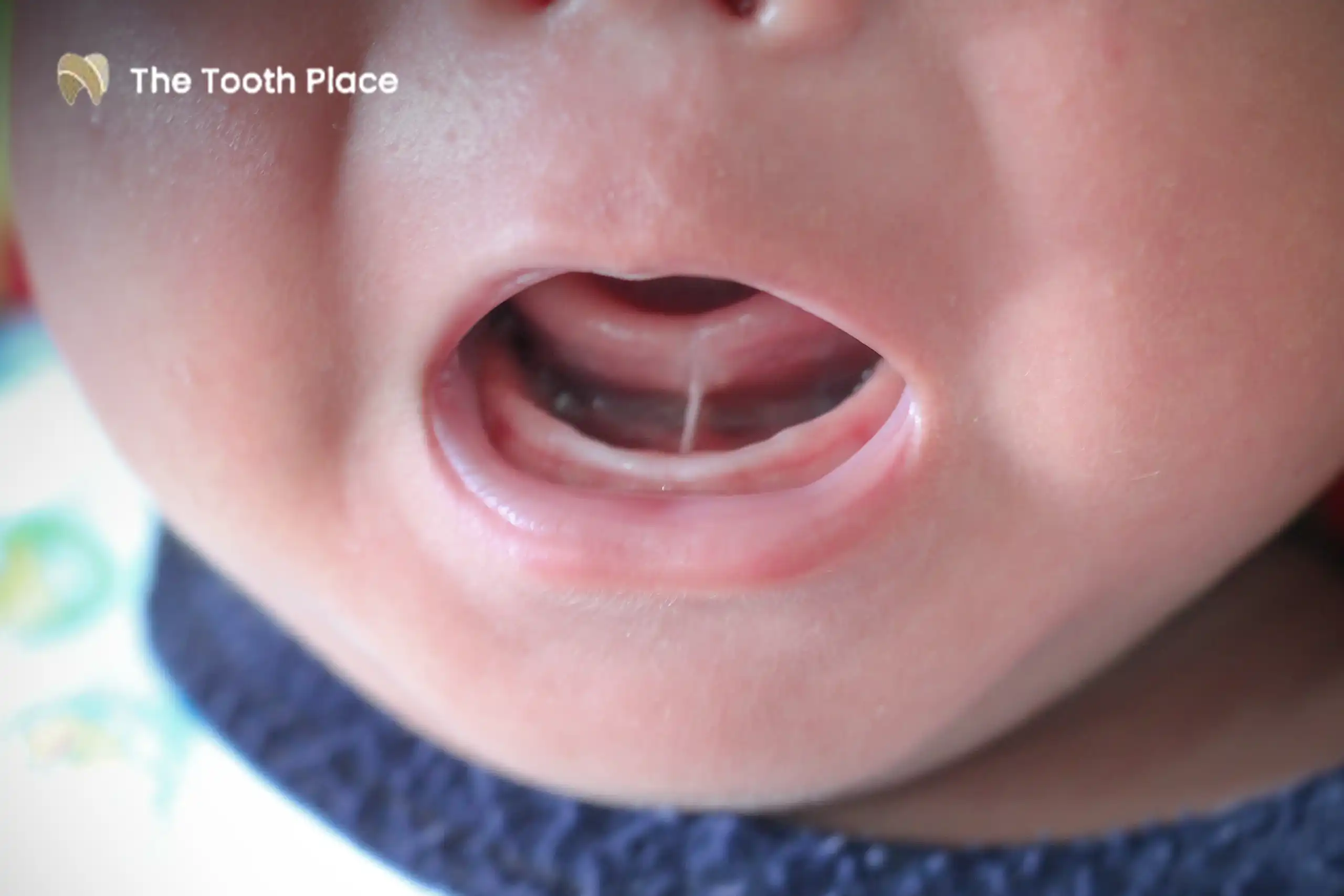
Tongue-tie (the medical term is ankyloglossia) happens when the lingual frenum limits how far the tongue can lift, stretch forward or move side to side. Babies are born with it. A review cited in Canadian Family Physician puts the prevalence at 2% to 5% of newborns.
Lip-tie describes an upper lip frenum that is thick or attaches low on the gum, sometimes reaching between the two front teeth. Having an upper lip frenum is completely normal, so a lip-tie is only a concern when it causes a specific problem.
Experts have not agreed on a single grading system, so a good assessment focuses on what the tongue or lip can do, not how tight the tissue looks.
Signs of Tongue-Tie and Lip-Tie at Every Age
The signs change as a person grows, because the tongue and lips take on different jobs at different stages.
In Babies: Feeding and Latch Problems
- Trouble latching, or slipping off the breast repeatedly
- Clicking sounds while feeding
- Long, frequent feeds with slow weight gain
- Nipple pain or damage for the nursing parent
- A tongue that cannot reach past the gums or forms a heart shape when lifted
Confirm youngest age treated. If the clinic does not treat newborns, replace the next sentence with: “We assess older babies and children, and we can refer newborns to an experienced local provider.”
In Children: Speech and Eating Challenges
Older children may struggle to lick an ice cream cone, clear food off their teeth or handle certain textures. Some parents notice trouble with sounds like “l”, “r” or “th”, though many of these sound errors are a normal part of speech development. A children’s dentist can check tongue movement during a routine visit.
In Adults: Gaps, Gum Recession and Jaw Tension
Adults with an untreated tie may notice a gap between the front teeth, gum tissue pulling away from a lower front tooth, or difficulty keeping that area clean. Some adults also report jaw or neck tension, although research on this link is still limited.
Does Every Tongue-Tie Need Treatment?
No. The Canadian Paediatric Society states that most babies with tongue-tie have no feeding problems, and it does not recommend treating every tie. Treatment makes sense when a tie is clearly linked to a real problem.
Before any release, we look for three things: a tie confirmed on exam, a functional problem (feeding, eating, hygiene or gum health) that matches it, and other likely causes ruled out.
For babies, that last point matters. The Canadian Academy of Pediatric Dentistry recommends a complete breastfeeding assessment before any treatment, since latch problems often have more than one cause. If a tie is mild and nothing is going wrong, watching and waiting is a perfectly reasonable choice.
Experiencing an Emergency?
We’re available for emergency appointments!
Give us a call: (905) 857-1791
What Is a Frenectomy?
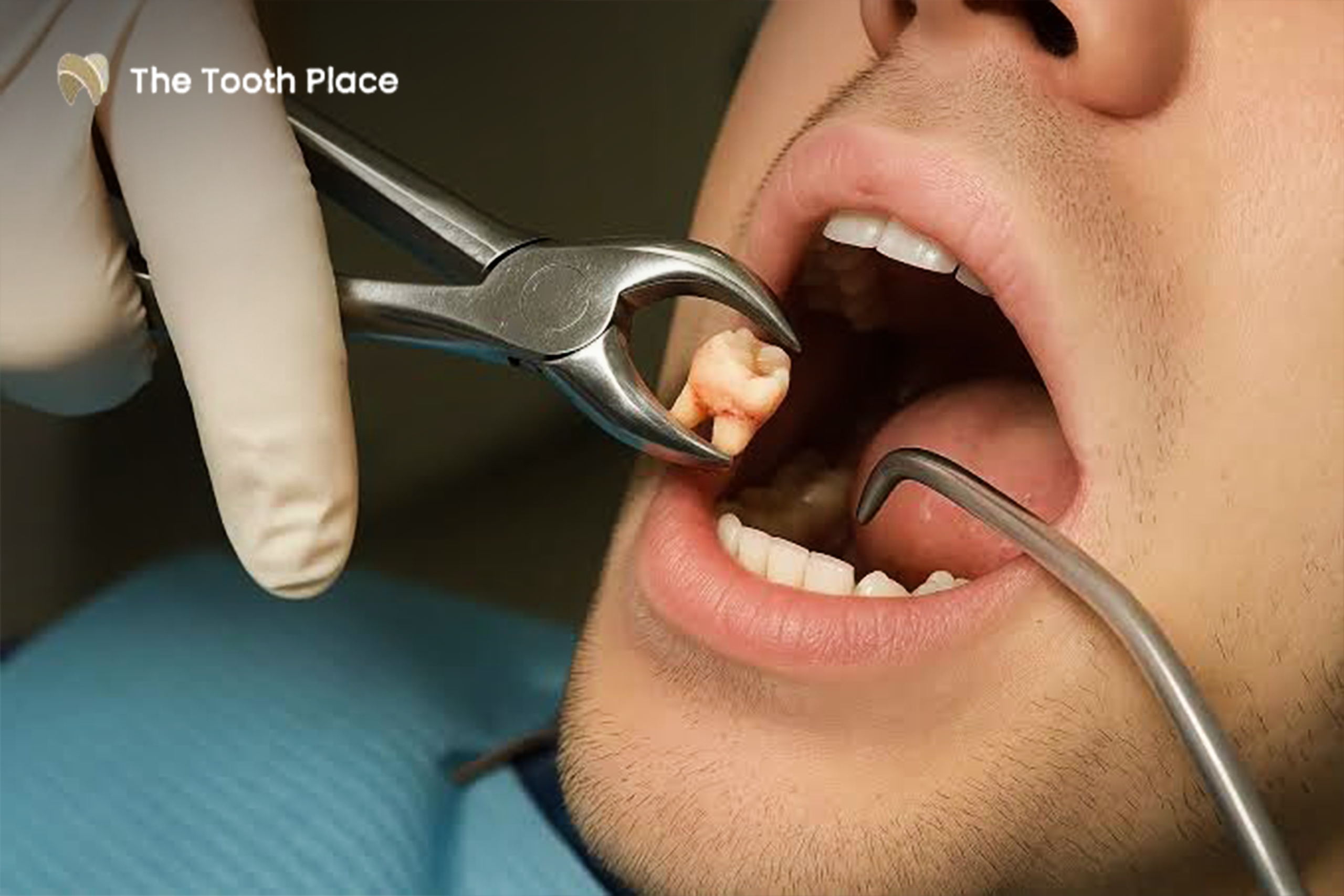
A frenectomy in Bolton is a minor procedure that releases or removes a restrictive frenum so the tongue or lip can move freely. You may also hear “frenotomy”, which usually means a simple snip of the tissue, most often in newborns. A frenectomy typically removes or reshapes more of it.
Both are quick and done under local anaesthetic in one short appointment. Learn more about frenectomy in Bolton.
Laser Frenectomy vs Traditional Scalpel Treatment
A scalpel release is effective but usually needs stitches. A laser seals tissue as it works, so bleeding is minimal and stitches are often unnecessary. A 2026 meta-analysis of randomized trials found diode laser frenectomy caused less pain on day one and day seven, less bleeding and shorter surgery times than the scalpel, though the authors rated evidence certainty as low. Read more about laser oral surgery and what is laser dentistry.
What Happens During a Frenectomy
Most frenectomies take only a few minutes of actual treatment time. Here is how a typical laser visit unfolds:
First, the assessment. Your dentist reviews symptoms, checks how the tongue or lip moves and explains the options. Health history matters here: bleeding disorders, for example, need to be discussed beforehand.
Then, numbing. Local anaesthetic numbs the area so you or your child feel pressure rather than pain.
The release. The laser gently releases the tight tissue. Most patients notice a warm sensation and a faint smell, and the bleeding is usually minimal.
Before you leave. Your dentist checks the new range of movement, shows you any recommended exercises and explains aftercare. Babies can usually feed straight away.
Recovery and Aftercare: Stretches, Comfort and Healing Time
Recovery after a laser frenectomy is usually quicker and more comfortable than many people expect. The 2026 meta-analysis linked above found that pain on day seven was lower after laser treatment than after scalpel treatment.
Days 1 to 3: Mild soreness is normal. Children’s or adult over-the-counter pain relief, as advised by your dentist, and soft, cool foods help.
Days 3 to 7: A white or yellowish patch forms where the tissue was released. This is normal healing, not infection.
Weeks 1 to 2: The area typically heals fully over roughly one to two weeks.
Your dentist may recommend gentle stretches to help prevent the tissue reattaching too tightly. Follow the routine they give you, and call the clinic if you notice heavy bleeding, fever or increasing pain.
Also Read: Emergency Tooth Extraction: When Is Removing a Tooth the Best Option?
Working With Lactation Consultants and Speech Therapists
A frenectomy releases tissue, but it does not teach a tongue new habits. That is why results tend to be better with a team approach.
For babies, a lactation consultant (IBCLC) can assess latch and positioning before treatment and support feeding afterward. Many feeding problems improve with their help alone.
For children with speech concerns, a speech-language pathologist should be involved first. The American Academy of Otolaryngology clinical consensus statement concluded that tongue-tie does not typically affect speech, and it encourages a speech consultation before any release done for speech reasons.
We are happy to share findings with your child’s other care providers so everyone works from the same plan.
Frenectomy for Adults: Front-Tooth Gaps and Gum Health
Frenectomy for adults is usually about one of two things: closing a gap or protecting the gums.
Front-tooth gaps. A thick upper lip frenum can contribute to a gap between the front teeth, and can make the gap reopen after it is closed. In these cases, a frenectomy is usually planned alongside orthodontic treatment, often after the teeth have been moved together, to help the result stay stable.
Gum health. A lower lip frenum that pulls on the gum can make recession worse and makes brushing that area awkward. Releasing it can relieve that pull and make cleaning easier.
Tongue movement. Some adults choose a release for comfort when eating or cleaning their teeth.
Also Read: Complete Guide to Dental Care in Bolton: Treatments, Costs & When to See a Dentist
Book a Frenectomy Consultation in Bolton
Wondering if a tie is behind a feeding, eating or gum problem? Book a consultation with a dentist in Bolton at The Tooth Place in the Bolton Medical Centre. We check function first and treat only when it helps. Call (905) 857-1791 or contact us online, and see what dental care your family really needs.
Frequently Asked Questions
1. At what age can a frenectomy be done?
A frenectomy can be done at almost any age, from infancy through adulthood. Timing depends on the symptoms rather than age alone.
2. Is a frenectomy painful?
The area is numbed with local anaesthetic, so most people feel pressure rather than pain during treatment. Laser treatment usually causes little discomfort afterward, and research shows less pain in the first week than with a scalpel.
3. How long does frenectomy recovery take?
Most people feel comfortable within a few days. Full healing typically takes roughly one to two weeks, and following your stretching and aftercare routine helps the area heal well.
4. Will a frenectomy fix speech problems?
It can help when restricted tongue movement is the cause, often alongside speech therapy. Many speech difficulties have other causes, though, so a speech-language pathologist should assess your child before treatment is planned for speech reasons.
5. Can a tongue-tie go away on its own?
The tissue does not usually loosen by itself. However, a tie that causes no feeding, eating or oral health problems may never need treatment at all.
6. Do I need stitches after a frenectomy?
Laser frenectomies often need no stitches, because the laser seals the tissue as it works. Traditional scalpel releases usually do need stitches.
7. Can a lip-tie cause a gap between the front teeth?
Yes, a thick upper lip frenum can contribute to a gap. In children, these gaps often narrow as more permanent teeth come in, so your dentist may suggest waiting before treating it.