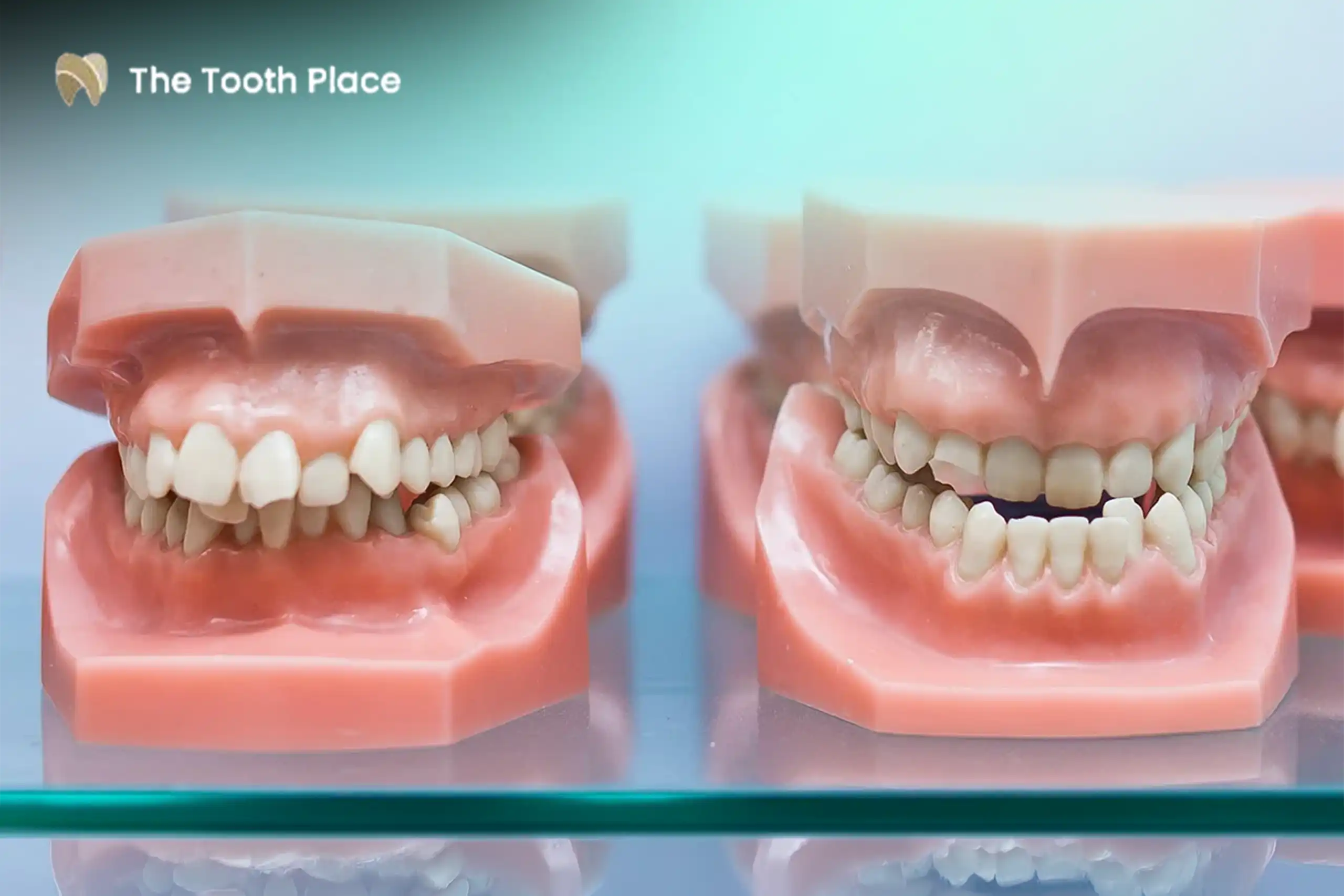
Noticed chalky white patches on your teeth? Maybe they appeared the day your braces came off. Those spots are often more than a cosmetic quirk. In many cases they are the earliest visible stage of tooth decay, where minerals have started leaving the enamel but no hole has formed yet.
Here is the good news. Caught at this stage, many white spots can be treated in a single visit with Icon resin infiltration, usually with no needle and no drill. This guide covers what Icon treatment for white spots does, whether it works, and whether it suits your teeth. Considering professional teeth whitening Bolton offers? A dentist can check the spots first so whitening doesn’t make them stand out.
What Causes White Spots on Teeth?
White spots form when enamel loses minerals or never fully mineralizes. Light scatters through the porous area, so it looks chalky.
White Spots After Braces
Brackets trap plaque, and plaque acid pulls minerals from the enamel around them. The marks often appear as squares or crescents once braces come off.
Early Tooth Decay (Demineralization)
Frequent snacking, sugary drinks and missed brushing can start the same process on any tooth. The surface still feels smooth while the enamel underneath weakens.
Mild Fluorosis and Enamel Defects
Some spots form while teeth are still developing, from too much fluoride in early childhood or a developmental enamel defect. These do not decay, though they can look similar.
What Is Icon Resin Infiltration?
Icon is a resin infiltration system made by the German dental manufacturer DMG. Instead of cutting away weakened enamel and replacing it, Icon fills the tiny pores inside the white spot with a very runny, light-cured resin.
Two things happen. First, the resin seals those pores, which helps keep acid from getting back in. A published review of the technique notes it was first developed to stop early decay between teeth. Second, the resin handles light much like healthy enamel does, so the chalky patch tends to blend in with the tooth around it.
A 2021 systematic review and meta-analysis found resin infiltration masked white spots significantly better than natural remineralization or regular fluoride varnish. Dentists call this approach microinvasive: it treats the problem while leaving the tooth’s shape intact
How Icon Treatment Works, Step by Step
Most Icon appointments follow this sequence, usually in one visit.
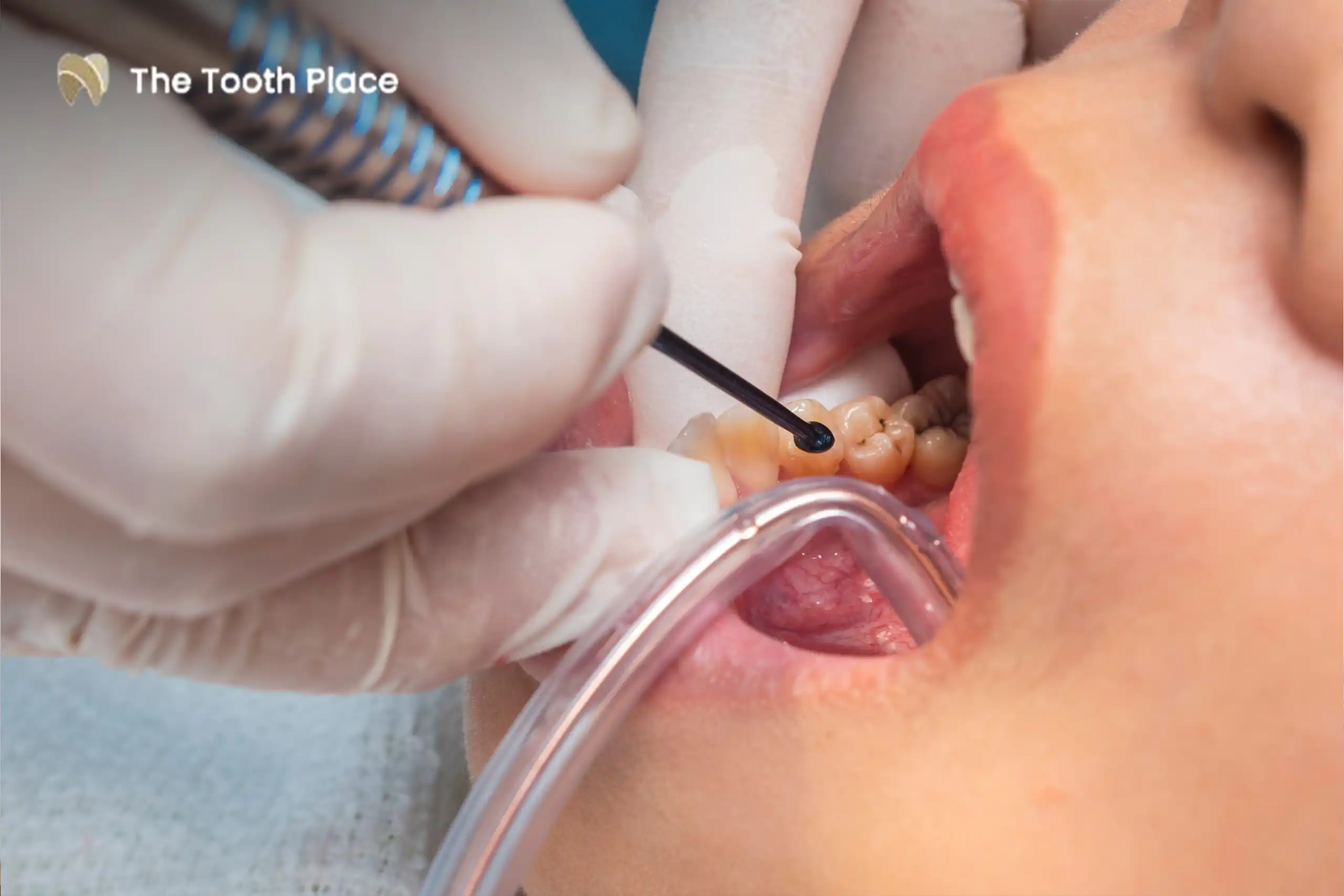
- Check and clean. Your dentist confirms the spot has no hole, then cleans the tooth.
- Isolate. A thin rubber shield keeps the tooth dry and protects your gums.
- Etch. A mild hydrochloric acid gel opens the surface so resin can reach the weakened enamel.
- Dry and preview. An alcohol solution dries the pores and previews how well the spot should blend. Etching can be repeated if needed.
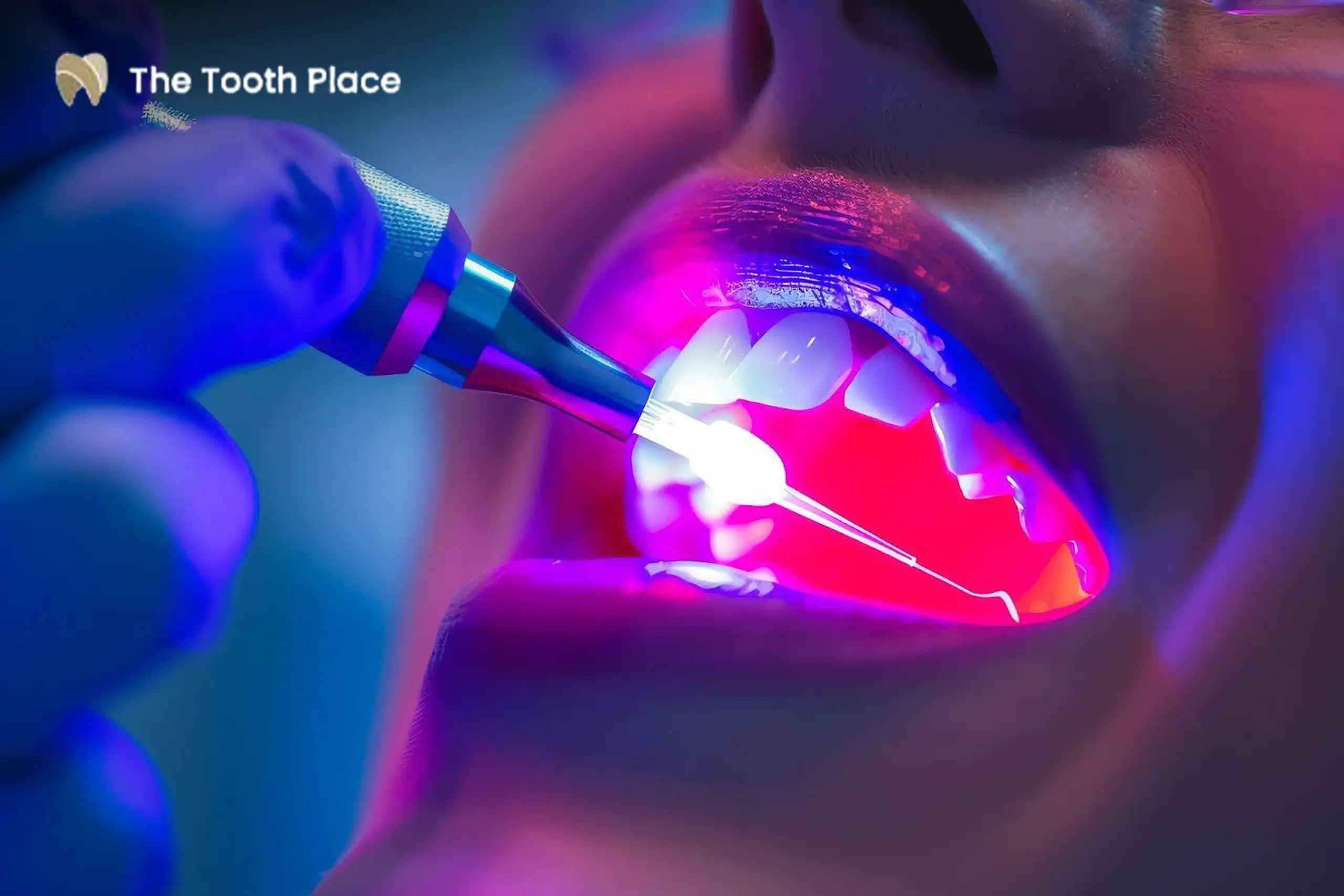
- Infiltrate. The resin soaks in for a few minutes, then sets under a curing light.
- Polish. The surface is smoothed to feel natural.
Because nothing is drilled, freezing is typically not needed.
Icon vs Traditional Fillings: What's the Difference?
Both treat decay, but at different stages.
Icon Resin Infiltration | Traditional Filling | |
Drilling | None | Yes, to remove decay and shape the cavity |
Anaesthetic | Usually not needed | Often needed |
Tooth structure removed | No healthy enamel removed; only the surface is etched | Decayed tooth plus some healthy tooth |
Visit length | Usually one visit | Usually one visit |
Best for | Early white spots with no hole yet | Cavities that have broken through the enamel |
The deciding factor is timing. Icon works before a cavity forms. Once the surface breaks down into a hole, there is nothing left to infiltrate, and a tooth-coloured filling becomes the right choice.
Who is a Good Candidate for Icon Treatment?
When Icon Works Best
- White spots that appeared after braces came off
- Early decay on smooth surfaces or between teeth that has not formed a hole
- Mild fluorosis or enamel defects on front teeth
- Patients who want a conservative option, including those nervous about needles or drills
When You Still Need a Filling
Icon cannot rebuild missing tooth structure. If decay has already created a cavity, if the tooth is sensitive or painful, or if X-rays show decay reaching the inner layer (dentin), a filling or other restoration is the safer route. Deep or brown fluorosis may also suit other options better. An exam tells us which group your tooth falls into.
Icon vs Whitening, Bonding and Veneers for White Spots
Whitening brightens the whole tooth but does not fill the porous spot. For a while after whitening, spots can look more noticeable as the tooth dehydrates and the contrast shifts.
Bonding covers the spot with tooth-coloured composite. It suits deeper defects but often means lightly preparing the enamel first.
Veneers cover the entire front of the tooth. They make sense when several cosmetic issues need fixing at once, but they involve removing enamel and a bigger investment.
Icon sits at the conservative end. It changes how the spot reflects light from the inside, with no enamel cut away. For many shallow spots it is a sensible first step, and cosmetic options like bonding or veneers remain available later if needed.
Also Read: Professional vs At-Home Teeth Whitening: Which Is Better for Your Smile?
5 Benefits of No-Drill Treatment
- No drilling. For many patients, the sound and vibration are the hardest part of a filling. Icon skips both.
- Usually no needle. Since no tooth is cut, freezing is rarely required, and you leave without a numb lip.
- Healthy enamel stays put. Enamel does not grow back, so every bit preserved counts over a lifetime.
- One appointment. Most cases are finished in a single visit, with no recovery time.
- It can slow early decay. In a seven-year study summarised by Dentistry Today, decay progressed in 9% of infiltrated lesions versus 45% of untreated ones.
A clinical review also noted that trial patients reported no pain or sensitivity afterward.
Experiencing an Emergency?
We’re available for emergency appointments!
Give us a call: (905) 857-1791
How Long Do Icon Results Last?
Icon resin is meant to stay in the enamel long term, but research on durability is still growing, so we prefer honest expectations over promises.
Here is what the evidence shows so far. A four-year clinical study of 40 treated white spots found the colour improvement held steady over that period. A published case report followed one patient for eight years and found the treated areas unchanged. The 2021 meta-analysis linked above also found the masking effect still present at an average follow-up of 2.8 years.
What affects longevity is mostly in your hands. The icon seals the treated spot, but it cannot protect the rest of the tooth. Plaque, frequent sugar and missed checkups can still cause new decay nearby.
Also Read: How Long Does Professional Teeth Whitening Last? Bolton Dentist Explains
Caring for Your Teeth After Icon Treatment
There is no special recovery period. You can eat and drink normally once you leave the clinic. A few habits help protect the result:
- Brush twice a day with fluoride toothpaste, paying extra attention to the gumline.
- Floss or use interdental brushes daily, especially if spots between teeth were treated.
- Cut back on sipping sugary or acidic drinks throughout the day.
- Keep up with regular checkups and cleanings so we can monitor the treated area.
If your child is still wearing braces, ask us about fluoride varnish and brushing tips that help prevent new spots forming while the brackets are on.
Ask About Icon Treatment at The Tooth Place
Noticed white spots, or just finished braces? Book an exam with a dentist in Bolton at The Tooth Place in the Bolton Medical Centre, 12295 Hwy 50, Unit 211. We will check whether Icon suits your teeth and walk you through every option. Call (905) 857-1791 or contact us online.
Frequently Asked Questions
1. Does Icon treatment hurt?
It is usually painless. Because Icon does not involve drilling, most patients need no injection or freezing. You may feel the rubber shield and a little cold from drying the tooth, but the process is typically comfortable from start to finish.
2. How long does Icon treatment take?
Most cases are treated in a single appointment. Treating one or two spots is quicker than treating several teeth, and your dentist can give you a time estimate after the exam.
3.Can Icon fix every cavity?
No. Icon works on early decay that has not yet formed a hole. Once a cavity breaks through the enamel surface, the tooth needs a filling to rebuild what was lost. X-rays and an exam show which stage your tooth is at.
4. Will Icon make my white spots disappear completely?
Often the spots blend in with the surrounding enamel so they are hard to notice, but results depend on how deep the spots go. Your dentist can usually preview the likely result during the appointment, before the resin is set.
5.Is Icon a good option for white spots after braces?
Yes. Treating post-braces white spots is one of its most common uses, and much of the research on Icon focuses on these marks. Waiting a few weeks after braces come off, as your dentist advises, lets the teeth settle first.
6.Will teeth whitening get rid of white spots?
Usually not. Whitening lightens the whole tooth without filling the porous spot, and white spots can look more noticeable for a while afterward. Some patients combine whitening with Icon, so ask which order makes sense for you.
7. Does dental insurance cover Icon treatment?
It depends on your plan and whether the treatment is for decay or cosmetic reasons. The Tooth Place accepts most insurance plans, and our team can check your coverage before you book.