
Nobody wants to hear that a tooth needs to come out, and that hesitation is completely understandable. However, there are specific situations where extraction genuinely is the safest, smartest choice, not a last resort chosen out of convenience.
This guide explains how dentists actually make that call, what red flags point toward extraction rather than repair, and what happens once that decision is made.
Why Dentists Try to Save a Tooth First
Removing a tooth is never the default option. According to the American Association of Endodontists, a root canal preserves the natural tooth structure and avoids the more extensive, costly restorative work needed after extraction, which is why it remains the first choice whenever a tooth can realistically be saved. The data backs this preference up too: a study published in the Journal of the American Dental Association tracking root canal outcomes in general practice found that only 5.6 percent of treated teeth required extraction within two years of follow-up. In other words, when a root canal is a viable option, it succeeds the large majority of the time.
Our Root Canals page covers how that treatment works when it’s genuinely the better option for your tooth.
When Extraction Becomes the Better Option
Despite that strong preference for saving teeth, certain situations tip the decision the other way. Extraction becomes the right call when the damage or infection has progressed too far for repair to realistically succeed, or when keeping the tooth would put your broader health at greater risk than removing it.
A Broken or Cracked Tooth
A break severe enough to expose the inner tooth structure or cause ongoing pain counts as urgent. Meanwhile, a small cosmetic chip with no pain can usually wait for a regular appointment. If you’re dealing with a genuine broken tooth emergency, avoiding further chewing on that side and getting seen quickly both help prevent additional damage.
Severe Tooth Pain Signaling Irreparable Damage
Pain alone doesn’t automatically mean extraction, but certain patterns do. If an X-ray shows the infection has destroyed too much of the tooth’s internal structure, or the crack extends below the gumline where a crown or filling can’t seal it, a root canal simply won’t hold. In these cases, a tooth pain emergency dentist Bolton sees will confirm through imaging whether the tooth is genuinely beyond saving before recommending removal.
A Dental Abscess That Has Spread
An abscess confined to one area can sometimes be treated with a root canal and drainage. However, once infection has spread extensively through the bone supporting the tooth, or the tooth’s roots themselves are compromised, extraction becomes necessary to fully clear the infection. A dental abscess emergency Bolton situation like this needs urgent attention specifically because delaying treatment allows the infection to keep spreading.
A Broken Tooth Beyond Repair
Not every broken tooth emergency Bolton ends in extraction; many cracks and breaks are repairable with a crown or bonding. But when a fracture runs vertically through the root, or the break extends far below the gumline, there’s often no remaining structure left to rebuild on top of, which makes extraction the more realistic path forward.
Advanced Gum Disease or Severe Structural Loss
When gum disease has destroyed enough of the bone and tissue supporting a tooth, the tooth can become loose beyond the point where any procedure will stabilize it. In these situations, extraction prevents further bone loss and protects the health of neighbouring teeth.
What Happens During an Emergency Extraction
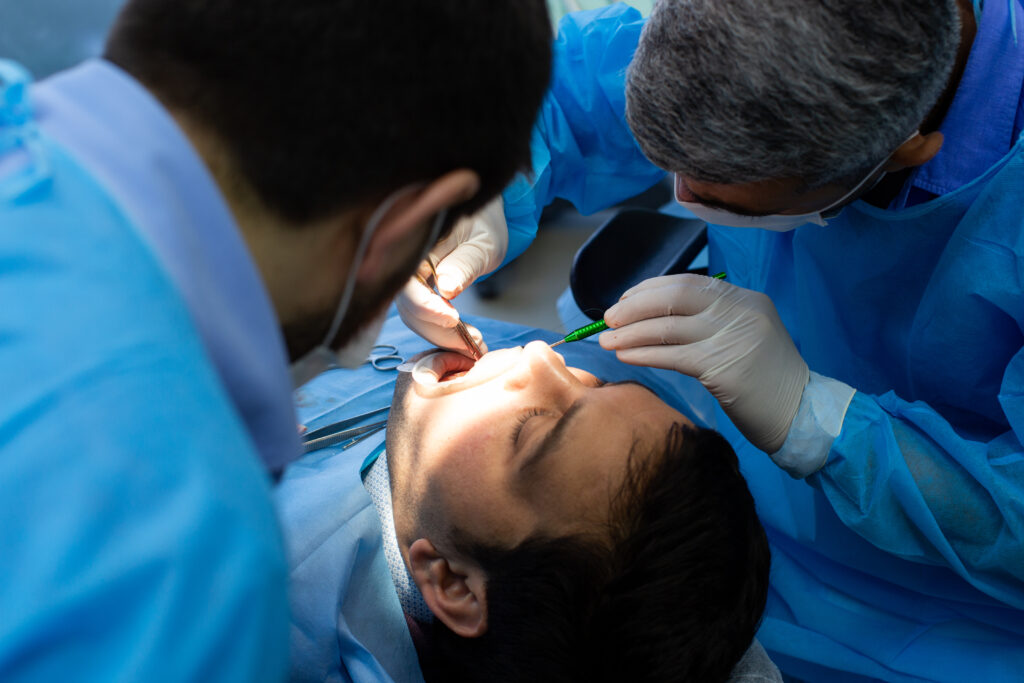
The process starts with an exam and X-ray to confirm extraction is truly the right call, not just the fastest option. The area is fully numbed before anything begins, and most emergency extractions are completed quickly, with the dentist explaining exactly what to expect throughout. Pain relief is prioritized immediately, since resolving the underlying infection or damage is usually what stops the pain that brought you in.
Experiencing an Emergency?
We’re available for emergency appointments!
Give us a call: (905) 857-1791
Aftercare and Healing
Mild swelling and tenderness for a few days afterward is normal and manageable with over-the-counter pain relief and a cold compress. Avoiding hard or chewy foods, not smoking, and skipping vigorous rinsing for the first day or two helps protect the healing socket and reduces the risk of complications during recovery.
What Happens to the Space Afterward
An extracted tooth doesn’t have to leave a permanent gap. Depending on the tooth’s location and your overall dental plan, options like implants, bridges, or dentures can restore both function and appearance afterward. This is usually a conversation for a follow-up visit once the emergency itself has been resolved, rather than something decided in the same appointment.
Getting Emergency Dental Care in Bolton
As a trusted emergency dental clinic Bolton families rely on, we prioritize same-day appointments so pain doesn’t have to wait. Whether you need emergency tooth extraction Bolton or want a second opinion on whether your tooth can still be saved, our emergency dentist Bolton team will give you an honest answer, not just the fastest one.
If you’re dealing with a dental emergency right now, contact us or call (905) 857-1791 directly. You can also check our Special Offers page, since emergency dental care Bolton is often more affordable than people expect.
Frequently Asked Questions
1. Do dentists always try to save a tooth before extracting it?
Yes, whenever it's realistically possible. Root canal treatment succeeds in the large majority of cases, so extraction is reserved for situations where saving the tooth genuinely isn't a viable option.
2. How do I know if my tooth can still be saved?
Only an exam and X-ray can confirm this. Factors like how deep the damage extends, whether a crack reaches below the gumline, and how far an infection has spread all affect whether repair is realistic.
3. When does a tooth infection require extraction instead of a root canal?
When the infection has spread extensively through the supporting bone, or the tooth's root structure is too compromised to seal properly, extraction becomes necessary to fully clear the infection.
4. Is a broken tooth always extracted?
No. Many breaks are repairable with a crown or bonding. Extraction typically only becomes necessary when a fracture extends through the root or far below the gumline, leaving no stable structure to rebuild on.
5. Does removing a tooth stop the pain immediately?
In most cases, yes. Since the pain is usually caused by infection or damage inside the tooth, removing the source of that problem typically resolves the pain right away, alongside standard aftercare.
6. What should I expect during recovery after an extraction?
Mild swelling and tenderness for a few days is normal. Avoiding hard foods, skipping vigorous rinsing initially, and not smoking all support proper healing of the extraction site.
7. Do I need to replace the tooth after an emergency extraction?
It's worth discussing, since a missing tooth can affect nearby teeth and your bite over time. Options like implants, bridges, or dentures are typically discussed at a follow-up visit once the emergency has been treated.
8. Can I get an emergency tooth extraction the same day in Bolton?
Yes. We prioritize emergency cases and offer same-day appointments so pain and infection don't have to wait for a routine booking slot.