You’ve probably noticed it in photos before you noticed it in the mirror: teeth that used to look bright now look a shade duller. Coffee, tea, red wine, and simple aging all add up gradually, so the change sneaks up on most people rather than announcing itself.
Naturally, that raises a practical question before you book anything: what will professional teeth whitening Bolton patients get actually change, and how much? This guide answers that directly, using real clinical data rather than vague marketing promises, so you know exactly what to expect before you sit in the chair.
How Professional Teeth Whitening Actually Works
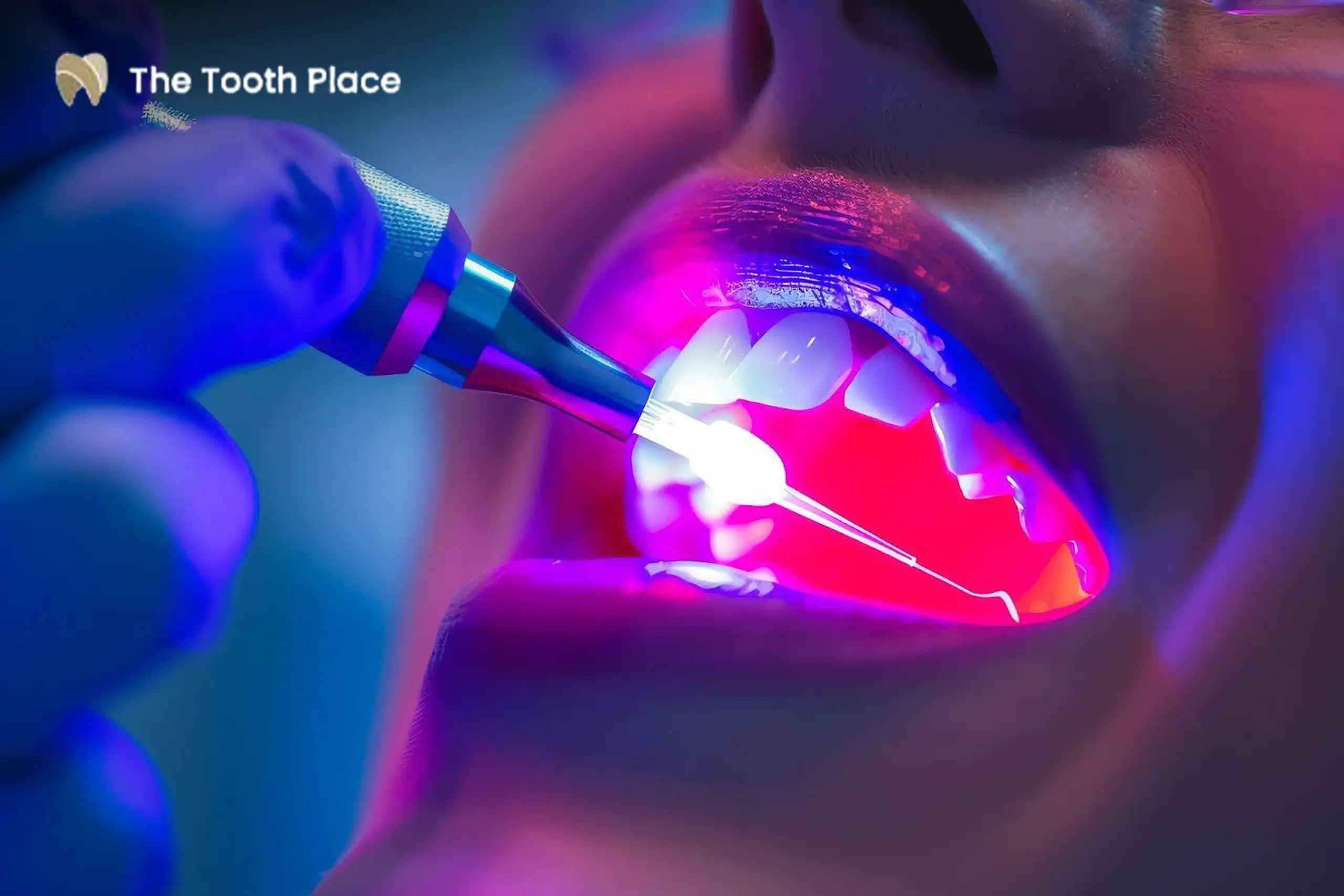
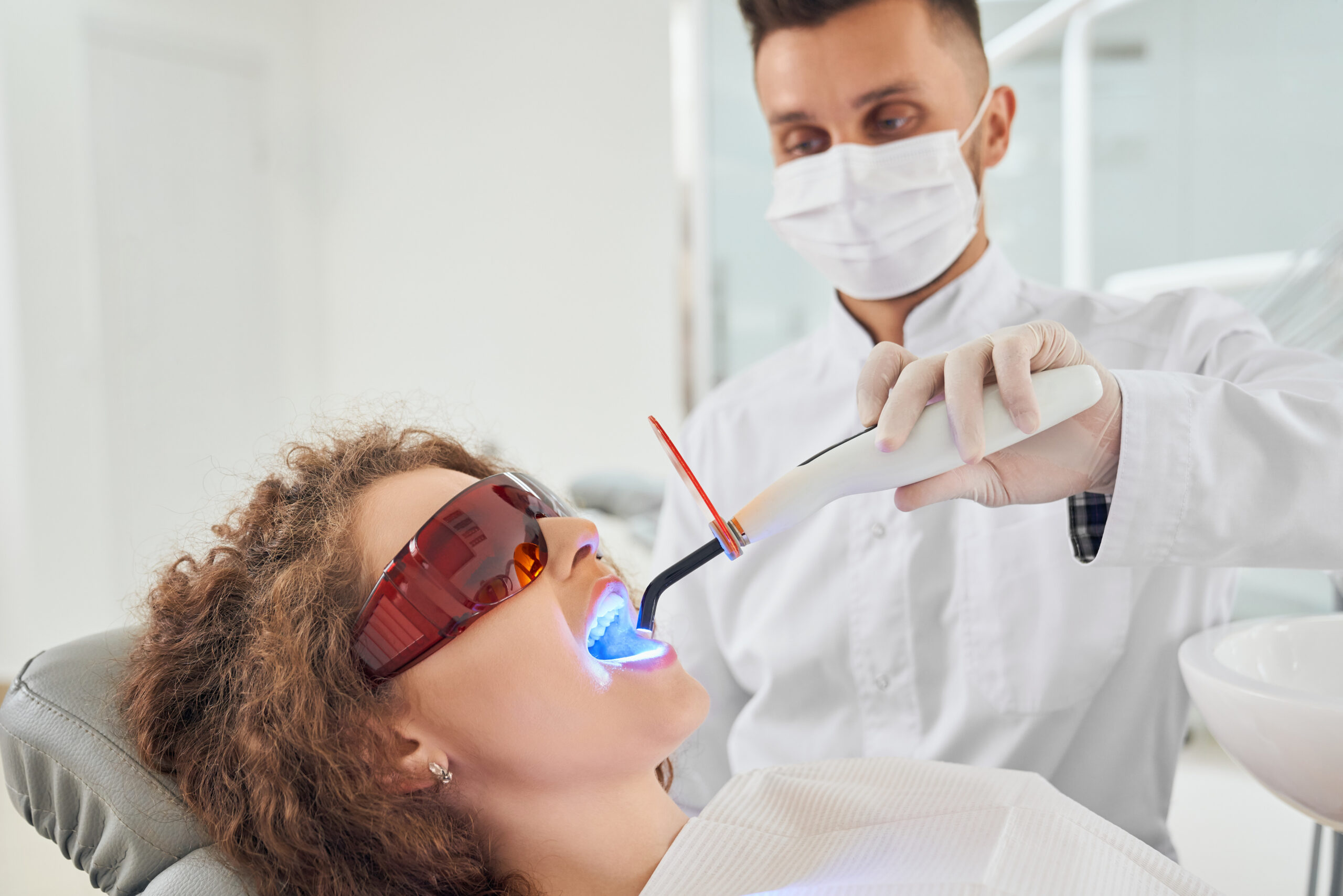
Professional whitening uses a bleaching agent, typically hydrogen peroxide or carbamide peroxide, applied at a concentration far higher than anything sold over the counter. The gel penetrates the enamel and breaks down the compounds responsible for staining at a molecular level.
According to the American Dental Association, professionally administered whitening remains one of the most popular cosmetic dental procedures precisely because it works faster and more predictably than at-home alternatives. A dentist also controls the process directly, which matters more than most patients realize, since it means your gums stay protected and the concentration gets adjusted to your specific enamel condition rather than applied blindly.
If you’re comparing this to other options first, our Cosmetic Dentistry page outlines how whitening fits alongside veneers, bonding, and other treatments that improve how a smile looks.
What Results Can You Realistically Expect?
How Many Shades Whiter Will Your Teeth Get?
Results vary from person to person, since your starting shade, the cause of your discolouration, and your enamel condition all play a role. That said, clinical research gives a genuinely useful benchmark rather than a guess.
A two-year clinical trial published on PubMed found that 83.3 percent of patients achieved a shade change of two or more units on the standard dental shade scale, which is the threshold the American Dental Association uses to define a whitening treatment as effective. In other words, the vast majority of patients see a change that’s genuinely noticeable, not marginal.
How Long Do the Results Last?
Whitening isn’t permanent, and any provider who tells you otherwise isn’t being straight with you. The Canadian Dental Association states that the whitening effect from tooth bleaching can last up to three years, though the exact duration depends heavily on your diet, smoking habits, and oral hygiene routine afterward.
Consequently, someone who drinks coffee daily and skips regular cleanings will likely see fading sooner than someone who maintains good habits and comes in for routine checkups. Either way, results are never instant erosion; the fade happens gradually over months, not overnight.
Also Read: How Long Does Professional Teeth Whitening Last? Bolton Dentist Explains
Immediate Results vs. What Settles In After a Few Weeks
Teeth often look their brightest immediately after treatment, partly because the enamel is temporarily dehydrated during the process. As the tooth rehydrates over the following days, the true, settled shade becomes clearer. Therefore, it’s worth judging your results about two to three weeks after treatment rather than the day you walk out of the office.
In-Office Whitening vs. Take-Home Kits: What's the Real Difference?
In-office treatment delivers the fastest, most dramatic change, typically completed in a single visit under direct supervision. Take-home kits from a dentist use custom-fitted trays and a lower daily concentration, producing a more gradual result over one to two weeks.
Neither approach is objectively better; the right choice depends on your timeline, sensitivity levels, and budget. During your consultation, a teeth whitening dentist Bolton patients trust will walk you through which option suits your specific teeth, rather than defaulting to whichever is easiest to sell.
Also Read: Professional vs At-Home Teeth Whitening: Which Is Better for Your Smile?
Are You a Good Candidate for Whitening?
Whitening works well on natural tooth enamel affected by surface staining or age-related yellowing. However, it doesn’t change the colour of crowns, veneers, or fillings, so anyone with visible dental work on their front teeth may end up with a mismatched result if that’s not accounted for beforehand.
For heavily stained or structurally damaged teeth that won’t respond well to bleaching, dental veneers often make more sense as an alternative. This is exactly why a proper exam matters before treatment starts, rather than jumping straight into a whitening session based on assumption alone.
Possible Side Effects and How We Manage Them
The most common side effects are temporary tooth sensitivity and mild gum irritation, both of which the American Dental Association identifies as the typical adverse effects associated with professional bleaching. These effects are usually short-lived and manageable, especially when the treatment is supervised by a dentist who protects your gum tissue throughout the process.
Meanwhile, unsupervised at-home whitening carries a higher risk of exactly these issues, since there’s no professional oversight adjusting the concentration or checking your enamel beforehand.
How to Make Your Results Last Longer
A few simple habits meaningfully extend how long your brighter smile lasts. Rinsing with water after coffee, tea, or red wine limits how much staining compound sits on the enamel. Using a straw for dark beverages reduces direct contact with your front teeth. Additionally, keeping up with regular cleanings removes surface buildup before it has a chance to set in.
Our Preventive Dentistry page covers the checkup and cleaning schedule that keeps whitening results looking their best for longer, rather than fading within a few months.
Experiencing an Emergency?
We’re available for emergency appointments!
Give us a call: (905) 857-1791
Why Choose The Tooth Place for Whitening in Bolton
A proper cosmetic teeth whitening Bolton treatment starts with an honest evaluation, not a rushed upsell. We check your enamel condition, discuss what’s realistically achievable for your specific staining, and walk you through both in-office and take-home options before recommending either one.
If you’re ready to see what a whitening treatment Bolton appointment could do for your smile, our Teeth Whitening page has current details, and our Special Offers page lists current promotions on whitening and other cosmetic treatments. When you’re ready to book, contact us and we’ll get you scheduled for a consultation.
Frequently Asked Questions
1. How many shades of whiter will my teeth actually get?
Results vary by person, but clinical research shows most patients achieve a shade change of two or more units on the standard dental shade scale, which dental associations consider a genuinely noticeable, effective result.
2. How long does professional teeth whitening last?
The Canadian Dental Association notes that whitening effects can last up to three years, though your actual results depend on diet, smoking habits, and how consistently you keep up with oral hygiene afterward.
3. Is professional whitening safe?
Yes, when performed under a dentist's supervision. A proper exam beforehand identifies any risk factors, and controlled application protects your gum tissue throughout treatment.
4. Will whitening hurt or cause sensitivity?
Mild, temporary sensitivity and gum irritation are the most commonly reported side effects, and they typically resolve within a day or two. Supervised treatment significantly reduces the risk of anything more than that.
5. What's the difference between in-office and take-home whitening?
In-office treatment delivers faster, more dramatic results in a single visit, while take-home kits use custom trays for a gradual change over one to two weeks. Both are effective; the right choice depends on your timeline and sensitivity.
6. Can whitening fix a crown, veneer, or filling that doesn't match my other teeth?
No. Whitening only affects natural enamel, not existing dental work. If a crown or filling is visibly mismatched, that's worth discussing at your consultation before treatment starts.
7. How soon will I see results after treatment?
Teeth often look brightest immediately after the appointment, but the true, settled shade becomes clearer after about two to three weeks as the enamel rehydrates.
8. How can I make my whitening results last longer?
Rinse with water after coffee, tea, or wine, use a straw for dark beverages when possible, and keep up with regular cleanings. These habits meaningfully slow how quickly new staining sets in.
9. Am I a good candidate for teeth whitening?
Most people with natural enamel and surface or age-related staining are good candidates. Heavily stained or structurally compromised teeth sometimes respond better to veneers instead, which is something a proper exam will clarify.
10. How much does professional teeth whitening cost in Bolton?
Pricing depends on the method and your specific needs. Visit our Teeth Whitening and Special Offers pages for current pricing, or contact our office directly for a personalized estimate.